
Quick answer
Look for the letters DOT on the sidewall; the last four digits of that code are the week and year the tire was made, so 2224 means the 22nd week of 2024. Replace a tire when the tread is worn down to the wear bars or the rubber is cracked, and bring the old ones to a licensed recycler — $3 each at our Apopka counter.
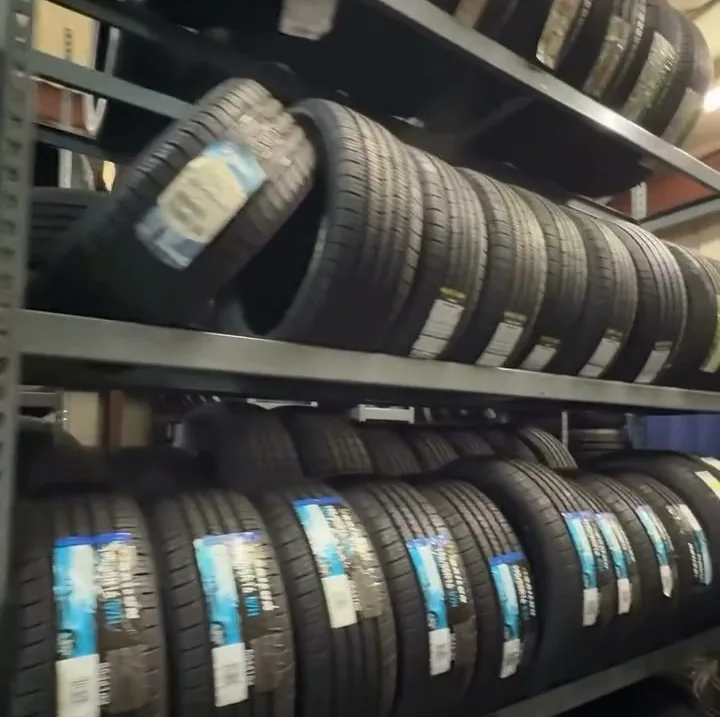
Where to find the date code
Turn the tire so you can read the sidewall and look for the letters DOT. After them comes a string of letters and numbers — the Tire Identification Number. The full code is sometimes printed only on one side of the tire, so if you don’t see it, check the side facing under the car.
The beginning of the code tells you which plant made the tire and some details about its size and maker. For the age, you only need the end.
How to read the last four digits
Federal rule 49 CFR 574.5 sets how the date is written. The date code identifies the week and year the tire was made:
- The first two digits are the week. Week 01 is the first full calendar week of the year.
- The last two digits are the year. 24 means 2024.
So a code ending in 2224 was made in the 22nd week of 2024 — around the start of June. A code ending in 0519 was made in the fifth week of 2019. If you ever see only three digits, the tire was made before 2000, and it has no business on a vehicle today.
When to replace a tire
Age is one signal. Wear and damage are the others, and they usually decide it first.
- Tread at the wear bars. The federal standard for new passenger tires (49 CFR 571.139) requires at least six treadwear indicators — small raised bars across the grooves — that show when the tread is down to one-sixteenth of an inch, the same as 2/32. When the tread is level with those bars, the tire is done.
- Cracks and bulges. Cracking in the sidewall or between the treads, a bulge or a bubble, or cords showing are reasons to stop driving on it.
- Age. Rubber ages even on a tire that sits unused, and Florida heat and sun are hard on it. Some vehicle and tire makers publish an age at which they recommend replacement; check your owner’s manual or the tire maker’s guidance for yours. We are not going to quote a single magic number, because the federal rules don’t set one.
When you buy a “new” tire, read the date code before it goes on. A tire can sit in a warehouse for a while, and you have every right to ask for a fresher one.
Don’t forget the spare
The spare is often the oldest tire on the vehicle. It rides in the trunk or under the truck for years and looks brand new because it has never touched the road. Read its date code too — an old spare can let you down the one day you need it.
What to do with the old tires
Once a tire comes off for good, Florida treats it as a waste tire, and it can’t go in the household trash or be buried whole in a landfill. When you buy new tires in Florida you also pay a state fee of $1 for each new tire sold (Florida Statute 403.718), which helps pay for the waste tire program.
Your easy options:
- Leave them where you buy the new ones. Many tire shops take the old set for a fee. Florida law encourages shops to act as collection points but does not require it, so ask.
- Bring them to us. $3 a tire at our Apopka counter, rims on or off, no minimum, seven days a week. See how to dispose of old tires for every legal route.
If you run a shop and swap tires all day, the old ones add up fast. We set shops up on scheduled pickup — the details are in our pickup guide for shops and fleets.
Questions people ask
How do I read a tire date code?
Find DOT on the sidewall and read the last four digits of the code after it: the first two are the week, the last two are the year. 2224 means week 22 of 2024.
What if the date code has only three digits?
Three digits means the tire was made before 2000. It is far too old to be on a vehicle.
When is a tire worn out?
When the tread is level with the treadwear indicators — the raised bars in the grooves that show the tread is down to one-sixteenth of an inch (2/32). Cracks, bulges or showing cords also mean replace it.
What do I do with the old tires?
They can’t go in the trash in Florida. Leave them with the shop that sells you new ones if it takes them, or bring them to our Apopka counter for $3 each.
Sources
- 49 CFR 574.5 — Tire identification requirements (Cornell LII)
- 49 CFR 571.139 — Federal standard for new light-vehicle tires (Cornell LII)
- Florida Statute 403.718 — Waste tire fees
- Florida Statute 403.717 — Waste tire and lead-acid battery requirements
Official pages read 2026-11-21.

Ruben Feliz
Owner and licensed operator of Feliz Family Recycling LLC in Apopka (WACS #108814). The Feliz family has worked with tires in Central Florida since 1994; Ruben reviews every guide on this site.